What this guide covers:Council overlays and heritage permits, asbestos in pre-1990 homes, Melbourne’s reactive clay soils, what to check before signing a contract, realistic timelines, energy efficiency requirements, and what things actually cost in 2026 with specific advice for Melbourne’s north and north-east.
When your life starts to outgrow your home, a renovation or extension feels like the obvious answer. But planning a renovation or extension in Melbourne involves more than most people expect, and it’s a much easier journey when you understand the process before you begin.
At Woodsman Projects, we’ve been building across Melbourne’s north and north-east long enough to know exactly where the surprises hide. Here’s what we tell every client before we start and what you’ll genuinely wish you’d known sooner.
Your Council Will Surprise You
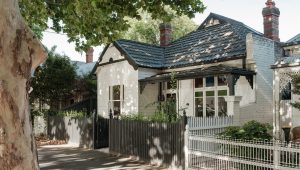
Melbourne is not one planning environment; it’s dozens. What’s permitted in a rear extension in Reservoir can be a completely different conversation in Fitzroy North where a heritage overlay may restrict materials, roof pitch, and even the colour of your new addition. Suburbs across Melbourne’s north and north-east each sit under different councils with different overlay rules, and what your neighbour got approved two years ago may not apply to your block today.
Do I need a building permit for a home extension in Melbourne?
Yes, most extensions require both a planning permit and a building permit. Heritage overlays add further requirements, and rules vary significantly between councils. Before you fall in love with a design, check your property’s overlay status on your council’s planning portal.
At Woodsman, this is one of the first things we do when we meet a new client, we pull the planning certificate, review any overlays, and brief you on what’s realistic before a single sketch is drawn.
Asbestos Is More Common Than You Think
If your home was built before 1990, there’s a reasonable chance asbestos-containing materials are somewhere in the structure, whether that’s fibro sheeting, floor backing, eave lining, or wall infill. In Melbourne, a large portion of the housing stock dates from the 1960s through to the late 1980s, making asbestos a standard part of the renovation process.
Our team flags asbestos risk early during the initial site inspection, not after contracts are signed. We work with licensed removalists we trust, and we build identification and removal into the project scope from the outset so it doesn’t blindside your budget or your timeline.
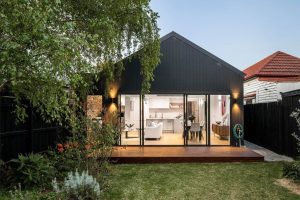
Our Smith Street Thornbury renovation is a good example of how a pre-1990 weatherboard home can be beautifully transformed, with a character-filled extension to the rear, when the process is managed properly from day one.
Melbourne’s Soil Will Move Your Budget
Reactive clay soils are widespread across Melbourne. Seasonal moisture changes cause swelling and shrinking that can affect footings, particularly for ground-floor extensions. Before a slab is poured, a geotechnical soil test determines the soil classification, ranging from Class A (stable) through to Class P (problematic), which directly determines footing design and cost.
Woodsman includes soil testing as a standard part of our pre-construction process. On projects where block sizes are larger and site conditions more varied, we’ve seen soil classifications shift costs significantly. We’d rather tell you that upfront than hand you a variation notice after earthworks have begun.
The Quote You Get First Is Rarely the Full Picture
Most homeowners receive two or three quotes and choose the most competitive one. What they discover later is that early-stage quotes can be way off. Variations after contract signing are one of the most common sources of stress in renovation and extension projects.
At Woodsman, we work to a fixed-price contract based on completed construction drawings. That means we invest time upfront in documentation, engineering, and scope so that the number we give you is the number you can plan your life around.
It takes longer to get to contract than a builder who’ll price off a sketch. But our clients tell us it’s the thing they value most. You can read about their experience on our testimonials page.
What to Check Before You Sign a Building Contract
A competitive quote means nothing if the contract is vague. Before you sign, make sure you have clear answers to the following:
Is demolition included?
Strip-out and disposal costs are frequently excluded from headline figures so confirm this is covered before comparing quotes.
What are the PC sum allowances?
Provisional Cost sums for fixtures, fittings, and finishes are estimates. If your actual selections cost more, you pay the difference. Ask what’s been allowed for and whether it’s realistic.
What are the payment milestones?
Progress payments should align with completed construction stages, not arbitrary calendar dates.
How are variations handled?
Every variation should be agreed in writing, with cost confirmed, before work proceeds.
What’s the defects liability period?
In Victoria, this is typically 12 months post-handover. Confirm it’s explicitly stated in the contract.
We’re confident in our processes and won’t hesitate to answer all of these directly.
Does a Design-Build Service Save Money on Extensions?
The traditional model where you hire an architect, get plans, then go to tender with three builders can work. But it often leads to designs that look beautiful and cost far more than anyone budgeted, because no one with construction knowledge was in the room when the decisions were made.
Woodsman offers an in-house design-build service that solves this from the start. Design and construction sit under the same roof, which means material choices, structural spans, and window sizes are considered for their cost implications before they’re locked into drawings.
For clients who already have an architect or prefer to work with one of our trusted design partners, we collaborate closely throughout the design phase rather than arriving at the end of it. Either way, the plans that reach a building surveyor are buildable, priced correctly, and reflect what you actually need.
Our Fitzroy North heritage renovation and extension is a strong example of what that process looks like when design and construction are properly aligned.
Is It Cheaper to Combine a Renovation and Extension?
Yes, almost always. Many homeowners treat the renovation of their existing home as a separate, future project. The reality is that combining both scopes into a single build is more cost-effective and far less disruptive. Trades are already mobilised, site set-up costs are shared, and your project manager is across the whole house. Staging a project means paying twice for preliminaries, remobilisation, and site setup.
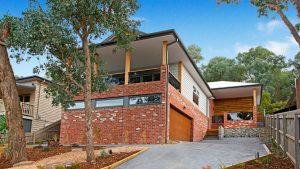
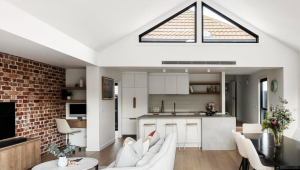
Rather than handing you a finished extension bolted onto an untouched 1980s interior, Woodsman looks at the whole home and helps you plan a single, cohesive project. Our work at Thornbury and Pascoe Vale South combined renovation and extension in one build with results that a staged approach rarely achieves.
Where Will You Live During a Home Extension in Melbourne?
It’s one of the most common questions we hear and one of the least-answered in most builder guides. The honest answer depends on your project scope, your tolerance for disruption, and your budget.
For a combined renovation and extension on a typical Melbourne home, a realistic timeline from first meeting to handover runs 10–14 months, which includes roughly three to four months for design and documentation, one to two months for permits, and six to eight months of construction.
Some clients stay in the home during the build; others rent temporarily. Both are workable, but each has cost and lifestyle implications worth planning for early. We walk every client through this conversation at the start, because the answer affects how you structure the project, the timeline, and your family’s life during the build.
Energy Efficiency Is Now Part of Every Extension Brief
Since 1 May 2024, any new addition or extension in Victoria must meet 7-star NatHERS energy efficiency requirements under NCC 2022 plus a Whole of Home rating of at least 60 out of 100, which accounts for heating, cooling, hot water, lighting, and any on-site solar.
That means glazing, insulation, ventilation, and thermal performance are design considerations from the outset. For older Melbourne homes, an extension is also an opportunity to lift the whole home’s energy performance, not just add square metres.
Woodsman factors compliance into the design brief from day one. That includes glazing specifications suited to Melbourne’s climate, insulation levels that exceed minimum requirements where it makes sense, and practical advice on where to spend on energy upgrades.
What Does a Home Extension Cost in Melbourne Right Now?
A mid-spec single-storey rear extension in Melbourne is currently running at $3,500–$5,000+ per square metre for construction, depending on the builder, finishes, site conditions, and structural complexity. These numbers shift based on your suburb, the age of your home, and how much of the existing structure needs to be brought up to current code.
| Project Type | Estimated Cost |
| Single storey rear extension (mid-spec) | $3,500–$5,000+/m² |
| Second-storey addition | $320,000–$650,000 |
| Kitchen renovation (mid-range) | $25,000–$45,000 |
| Full bathroom renovation | $22,000–$35,000 |
| Combined renovation & extension | Combined projects typically start from $150,000 and scale significantly with scope. |
Woodsman will always have the real cost conversation with you early, before you’ve spent money on plans and before you’re emotionally committed to a design that’s out of reach. We’d rather recalibrate the brief in week one than manage a difficult conversation in week ten. That honesty is core to how we work, and it’s why most of our clients come to us through referrals.
How Woodsman Approaches a Renovation & Extension
Every project has moving parts, but the process should still feel clear. Here’s how we work:
- Site and planning review — We pull the planning certificate, review overlays, assess site conditions, and brief you on what’s realistic before any design work begins.
- Design alignment — The brief is shaped with real construction input so the design suits how you live and what your budget can genuinely support.
- Detailed pricing and scope — Before contract, we document exactly what’s included, what’s allowed for, and what could affect cost later. No guesswork, no vague PC sums.
- Construction with direct communication — Regular updates, realistic timelines, and issues managed before they become problems. You’re never chasing us for information.
- Handover and long-term value — A finished result that feels cohesive, considered, and built to last.
Talk to Woodsman Before You Commit to Anything
If you’re in Melbourne’s north or north-east and weighing up whether to renovate, extend, or do both, we’re the builders who’ll give you the straight answer, not just the one you want to hear.